
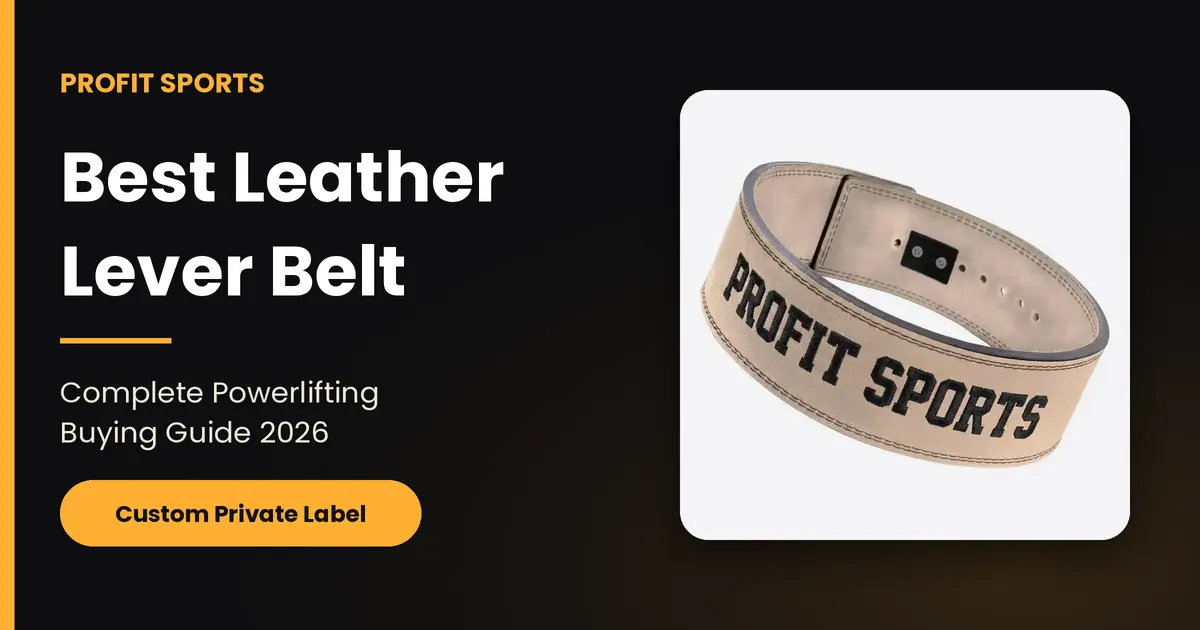
Best Leather Lever Belt — Complete Powerlifting Buying Guide 2026
If you’re looking for the best leather lever belt, you’ve come to the right place. A lever belt is one of the most trusted pieces of equipment for serious powerlifters and strength athletes. Built from thick, rigid leather with a quick-release lever mechanism, it provides maximum core stability and support during your heaviest squats, deadlifts, and overhead presses.
In this guide, we’ll cover why lever belts matter, what makes the best leather lever belt, common mistakes to avoid, and how to use one correctly.
Why the Best Leather Lever Belt Matters
A lever belt works by increasing intra-abdominal pressure when you brace against it during a heavy lift. This added pressure stabilizes your spine and core, allowing you to lift heavier weight with better control and reduced risk of injury. Choosing the best leather lever belt ensures you get a rigid, reliable belt that won’t flex or give under extreme load, unlike softer prong belts.
They’re especially popular for:
- Max-effort squats
- Heavy deadlifts
- Overhead pressing
- Competitive powerlifting
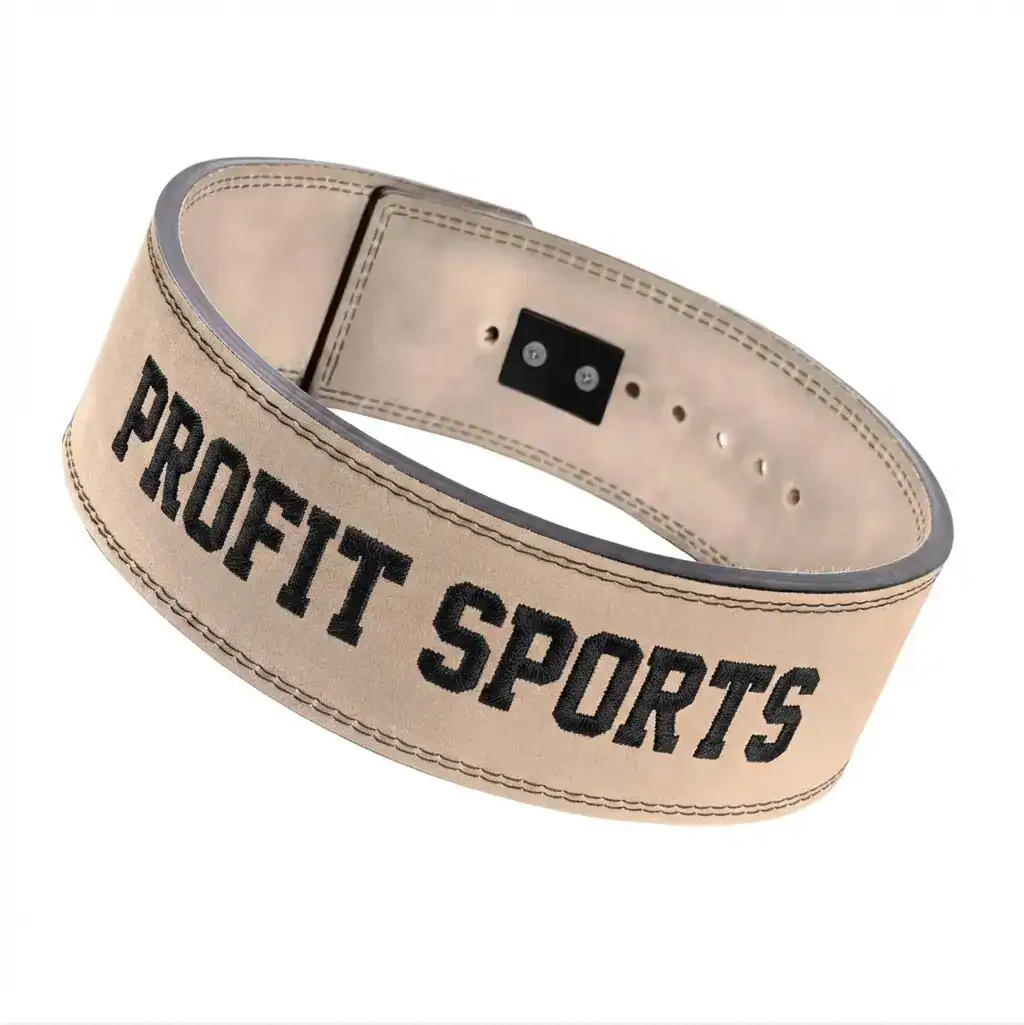
Benefits of Using a Leather Lever Belt
The biggest advantage of a lever belt over a traditional prong belt is the quick and secure locking mechanism. Once set to your size, a lever belt can be put on and taken off in seconds with a simple flip of the lever, without needing to search for the right hole every time like with prong belts.
Lever belts are also known for their consistent, uniform thickness throughout, providing even support all the way around your core rather than tapering at the sides like some traditional belts.
What Makes the Best Leather Lever Belt
1. Leather Quality
The best leather lever belt is made from full-grain or genuine leather, offering durability and rigidity that holds its shape under heavy loads without breaking down over time.
2. Thickness
Most powerlifting lever belts range from 10mm to 13mm thick. Thicker belts provide maximum rigidity and support for max-effort lifts, while slightly thinner options offer a bit more comfort for general training.
3. Width
A standard 4-inch width is most common and typically allowed in powerlifting competitions, providing solid coverage across your core.
4. Lever Mechanism Quality
The metal lever should be sturdy and reliable, locking securely in place without slipping loose under heavy pressure during your lifts.
Common Mistakes to Avoid
A common mistake is buying a lever belt in the wrong size, since lever belts are set to a fixed size (unlike prong belts with multiple holes). Always measure your waist carefully and check the brand’s sizing chart before purchasing. Another mistake is wearing the belt too loose, which fails to provide the intra-abdominal pressure needed for proper bracing during heavy lifts.
How to Use a Leather Lever Belt Correctly
Position the belt around your waist, roughly in line with your belly button, and secure the lever mechanism snugly. Before your lift, take a deep breath into your stomach and brace against the belt, creating firm pressure throughout your core. This bracing technique, combined with the belt’s support, helps stabilize your spine during heavy squats and deadlifts.
Who Should Use the Best Leather Lever Belt
Lever belts are best suited for intermediate to advanced lifters who are squatting, deadlifting, or pressing near-maximal weight and want maximum core stability. Beginners are often better off starting with lighter training and proper bracing technique before introducing a belt into their routine.
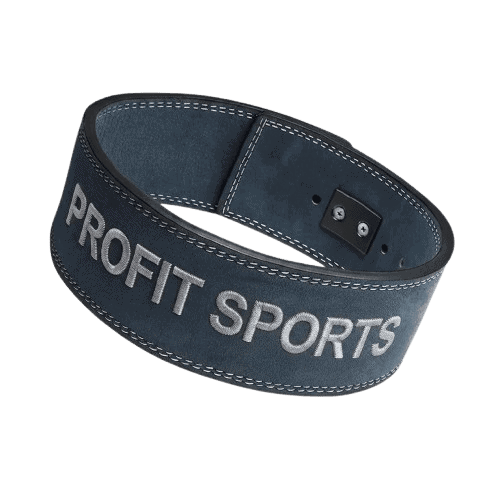
Frequently Asked Questions
Are lever belts allowed in powerlifting competitions?
Yes, most federations allow lever belts as long as they meet width and thickness requirements — always check your specific federation’s rules.
How do I know what size lever belt to buy?
Measure your waist at the point where the belt will sit (usually around your belly button) and compare it to the brand’s specific sizing chart, since lever belts are fixed to one size.
Final Thoughts
Finding the best leather lever belt can genuinely transform your heavy lifting performance, giving your core the stability and support it needs for max-effort squats, deadlifts, and presses. Durable, reliable, and quick to use, a quality lever belt is a smart investment for any serious strength athlete.
Check out our Lever Belt Collection to find the right one for your training.




Add comment