
Best BFR Bands for Gym Training — Complete Guide 2026
If you’re looking for the best BFR bands for gym training, you’ve come to the right place. Blood Flow Restriction (BFR) bands are a popular training tool that allow you to build muscle and strength using significantly lighter weights than traditional training. By partially restricting blood flow to a limb during exercise, BFR bands create a unique training stimulus that’s especially useful for recovery, rehab, and muscle growth.
In this guide, we’ll cover why BFR bands matter, what makes the best BFR bands for gym use, common mistakes to avoid, and how to use them correctly.
Why the Best BFR Bands for Gym Training Matter
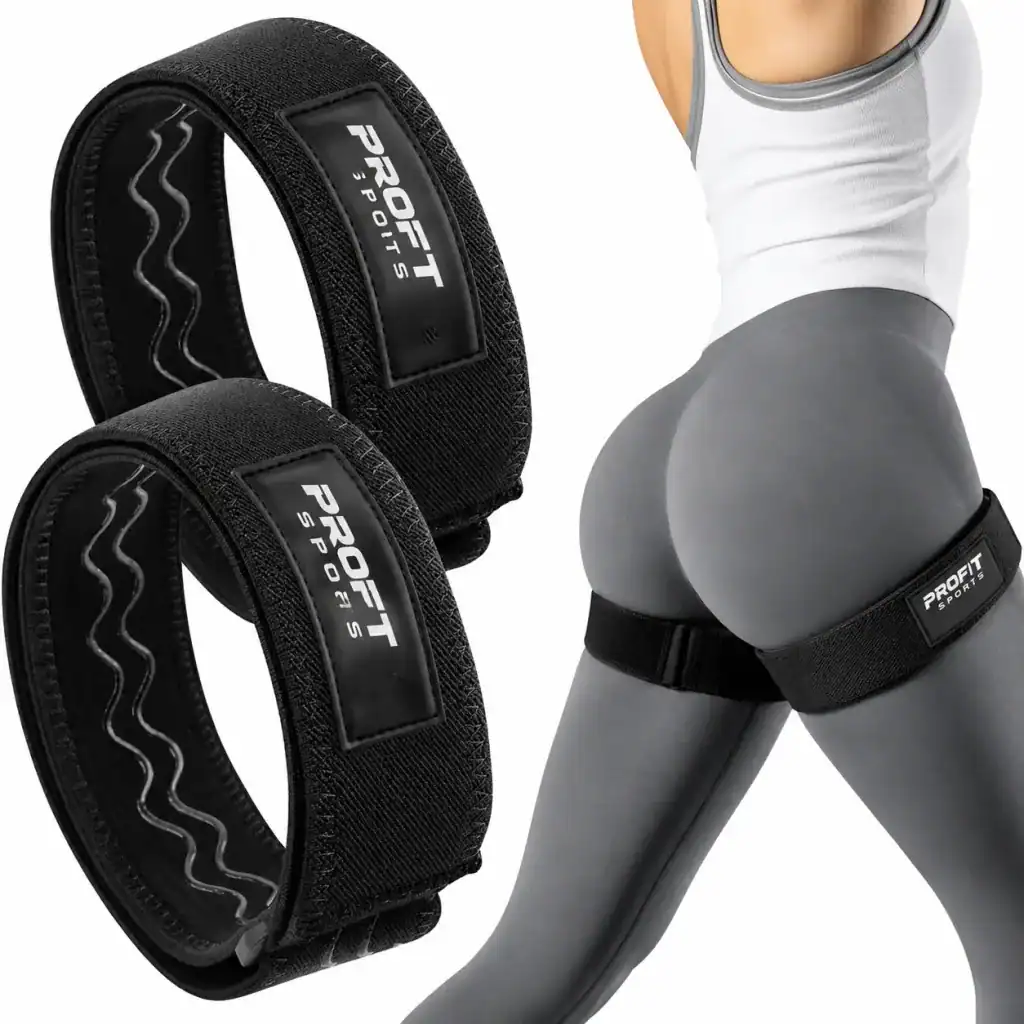
BFR bands work by applying controlled pressure around the top of your arm or leg, partially restricting venous blood flow while still allowing arterial blood in. This creates a metabolic stress response in the muscle, leading to significant muscle growth and strength gains even when using much lighter loads than normal training. Choosing the best BFR bands for gym use ensures consistent, safe pressure that maximizes results without unnecessary risk.
They’re especially popular for:
- Post-injury rehab and recovery training
- Building muscle with lighter loads
- Warm-up activation before heavy lifting
- Training around joint pain or limitations
Benefits of Using BFR Bands
One of the biggest advantages of BFR training is the ability to build muscle and strength using much lighter weights, which significantly reduces joint stress. This makes BFR bands especially valuable for anyone recovering from injury or dealing with joint pain who still wants to maintain or build muscle mass.
BFR training is also time-efficient, since the metabolic stress created allows for significant muscle activation in shorter training sessions compared to traditional heavy lifting protocols.
What Makes the Best BFR Bands for Gym Workouts
1. Pressure Control
The best BFR bands for gym use offer an adjustable, quick-release mechanism that allows you to control and fine-tune the exact level of pressure for safe, effective training.
2. Material and Width
Quality BFR bands are made from durable, elastic material with enough width to distribute pressure evenly around the limb, reducing the risk of uncomfortable pinching or numbness.
3. Secure Fastening
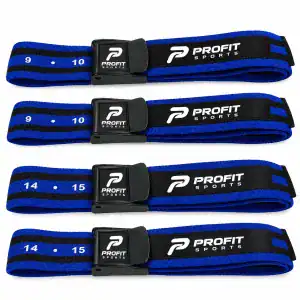
A reliable velcro or buckle closure ensures the band stays in place at the correct pressure throughout your entire set without slipping or loosening.
4. Size Options
Look for bands available in different sizes for arms and legs, since the appropriate width and length differ significantly between upper and lower body applications.
Common Mistakes to Avoid
A common and important mistake is applying too much pressure, which can be genuinely dangerous by fully restricting arterial blood flow rather than just venous flow. BFR bands should only partially restrict blood flow — full restriction is not the goal and can cause serious injury. Another mistake is leaving bands on for too long between sets; they should typically be removed shortly after finishing your BFR exercises rather than worn for extended periods.
How to Use BFR Bands Correctly
Wrap the band around the top of your arm or leg and secure it at a moderate pressure — noticeably tight but never painful. Perform your exercise using a lighter weight than normal, typically at higher repetitions. Remove the band promptly after your BFR sets are complete, and never leave bands on for extended periods outside of active training.
Who Should Use the Best BFR Bands for Gym Training
BFR bands are valuable for a wide range of people — from athletes recovering from injury who need to train around joint limitations, to lifters looking to add variety and additional muscle-building stimulus to their routine. Because of the technique involved, beginners should research proper protocols or consult a professional before starting BFR training.
Frequently Asked Questions
Is BFR training safe for everyone?
BFR training is generally safe when done correctly, but individuals with certain cardiovascular conditions should consult a doctor before starting.
How tight should BFR bands be?
Bands should feel noticeably tight and provide pressure, but should never be painful or cause numbness, tingling, or discoloration.
Final Thoughts
Finding the best BFR bands for gym training can genuinely expand your training options, allowing you to build muscle and support recovery using significantly lighter loads. Whether you’re rehabbing an injury or looking for a new training stimulus, quality BFR bands are a smart addition to your gym bag.
Check out our BFR Bands Collection to find the right set for your training.






Add comment