
Powerlifting Hooks: Benefits, Drawbacks & How to Use Them
Powerlifting Hooks: The Complete Guide to Lifting Hooks for a Stronger Deadlift
If your grip gives out before your back and legs do, you are not alone. Grip failure is one of the most common reasons lifters stall on heavy deadlifts, rack pulls, and barbell rows. Powerlifting hooks are a popular training tool designed to solve exactly this problem.
In this guide, you will learn what lifting hooks are, how they work, when to use them, how they compare to lifting straps, and how they differ from the hook grip technique.
What Are Powerlifting Hooks?
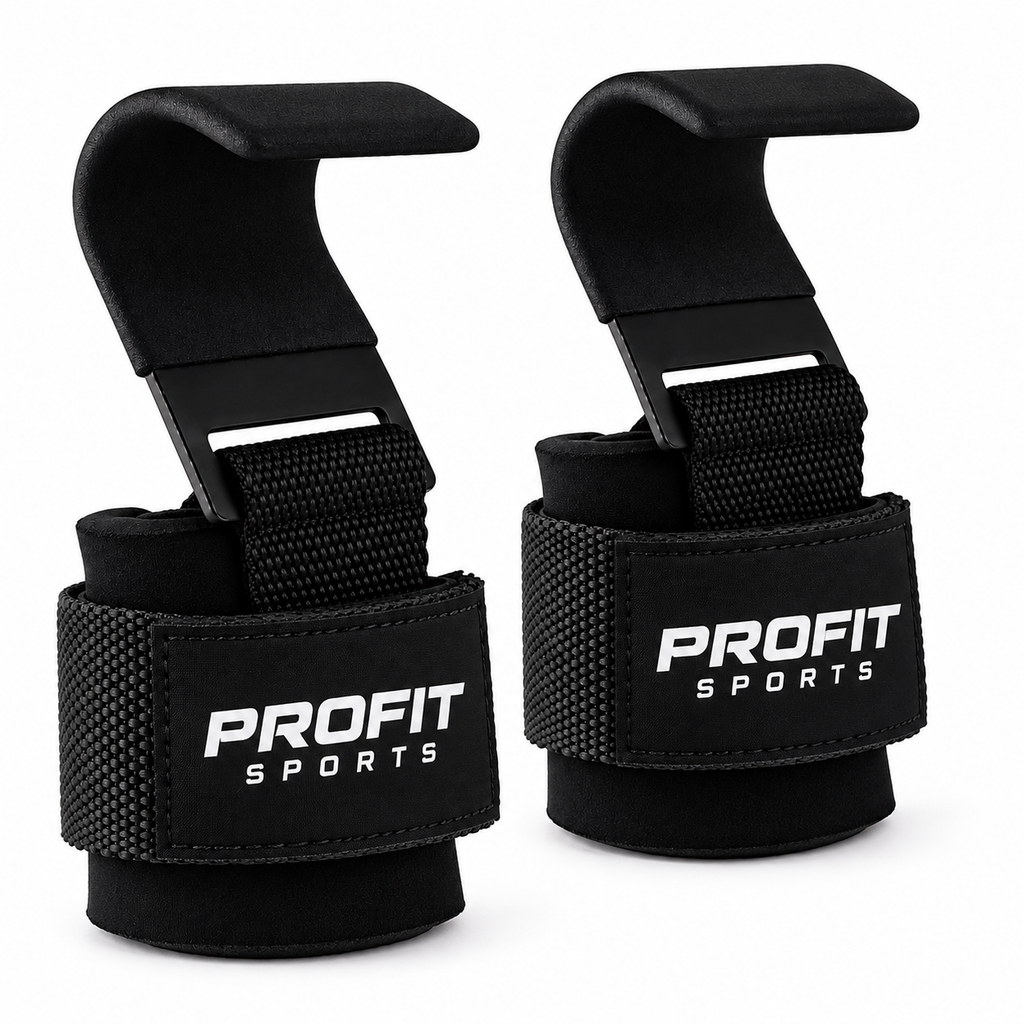
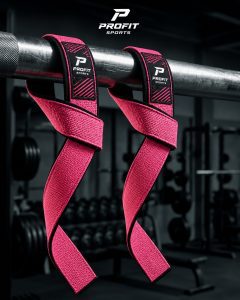
Powerlifting hooks, also called lifting hooks or deadlift hooks, are small metal or steel hooks attached to a wrist strap. The hook sits under the barbell and supports the weight, so your hands and forearms do not have to carry the full load.
Instead of squeezing the bar with maximum force, you rely on the hook to hold the bar in place. This allows you to keep pulling even when your grip strength is fatigued.
How Do Lifting Hooks Work?
- You wrap the strap securely around your wrist.
- The hook rests beneath the barbell.
- As you pull, the hook transfers tension from your fingers to your wrist and forearm.
- Your back, glutes, and hamstrings keep working while your grip stays relaxed.
Because the hook handles most of the holding force, you can train your target muscles harder without grip being the weakest link.
Benefits of Using Powerlifting Hooks
- Heavier pulls: Train with loads your grip alone may not handle.
- More back volume: Perform extra sets and reps for lats, traps, and spinal erectors. See our back workouts for programming ideas.
- Reduced hand fatigue: Useful when your forearms are sore or overworked.
- Less skin damage: Fewer torn calluses and blisters from high-volume training.
- Confidence under heavy bars: Less fear of the bar slipping on the final reps.
Drawbacks and Limitations
- Not allowed in competition: Major federations such as the IPF do not permit lifting hooks or straps in competition deadlifts. Always check your federation’s rulebook.
- Can mask weak grip: Overusing hooks may leave your natural grip underdeveloped.
- Setup time: Fitting and adjusting the straps takes longer than chalking up.
- Cost and fit: Quality varies, and a poor fit can feel uncomfortable on the wrist.
Lifting Hooks vs Lifting Straps
Many lifters ask whether hooks or straps are better. Both reduce grip demand, but they work differently.
| Feature | Lifting Hooks | Lifting Straps |
|---|---|---|
| Support method | Metal hook under the bar | Fabric wrapped around the bar |
| Setup speed | Faster once adjusted | Slower to wrap |
| Grip involvement | Very low | Low to moderate |
| Best for | Very heavy pulls | General training |
| Competition legal | No | No |
Hooks suit lifters who want maximum grip relief, while straps give more control and are widely available at a lower price.
Powerlifting Hooks vs Hook Grip: Do Not Confuse Them
These two terms sound similar but are completely different.
Hook grip is a technique where you place your thumb under your fingers around the bar and squeeze it in place. It dramatically improves holding power without equipment. It is legal in competition and widely used by powerlifters and Olympic weightlifters.
Lifting hooks are equipment, and they are only for training.
If you compete, mastering the hook grip is more valuable than relying on hooks, because it carries over directly to the platform.
When Should You Use Lifting Hooks?
Use powerlifting hooks when:
- Your grip fails before your back or legs on heavy sets.
- You are doing high-volume deadlift or row work.
- You want to rest your hands and forearms during a recovery phase.
- You are training back hypertrophy rather than grip strength.
Avoid using them for every set. A smart approach is to use your normal or hook grip for warm-ups and top sets in your competition prep, and use hooks only for back-off sets or extra volume.
How to Build Grip Strength Alongside Hooks
To avoid becoming dependent on equipment, add dedicated grip training to your routine:
- Farmer’s walks
- Dead hangs
- Plate pinches
- Fat-grip training
- Heavy holds at lockout
Training grip separately lets you use hooks for back development while still improving natural strength.
Tips for Choosing the Best Lifting Hooks
Looking for recommendations? Check our list of the best lifting hooks. Keep these points in mind:
- Material: Look for solid steel hooks with strong stitching.
- Padding: Wrist padding improves comfort and prevents pinching.
- Adjustability: A secure, adjustable strap prevents slipping.
- Hook size: Make sure it fits standard barbell diameters.
- Reviews: Check feedback from other lifters on durability and comfort.
Frequently Asked Questions
Are powerlifting hooks cheating?
No. In training, they are a valid tool. They are only prohibited in competition.
Are lifting hooks better than straps?
It depends on your goals. Hooks offer more grip relief, while straps offer more versatility.
Can I use lifting hooks for exercises other than deadlifts?
Yes. They are also used for rack pulls, barbell rows, and pull-ups.
Will lifting hooks make my grip weaker?
Not if you use them selectively and train grip separately.
Is hook grip better than using hooks?
For competitive lifters, yes, because hook grip is legal and builds real holding strength.
Final Thoughts
Powerlifting hooks are a practical tool for lifters who want to train their back and posterior chain harder without grip limiting progress. Used wisely, they can boost volume, protect your hands, and support long-term strength gains. Combine them with hook grip practice and dedicated grip training, and you will build a deadlift that is strong from the floor to lockout.

Add comment