
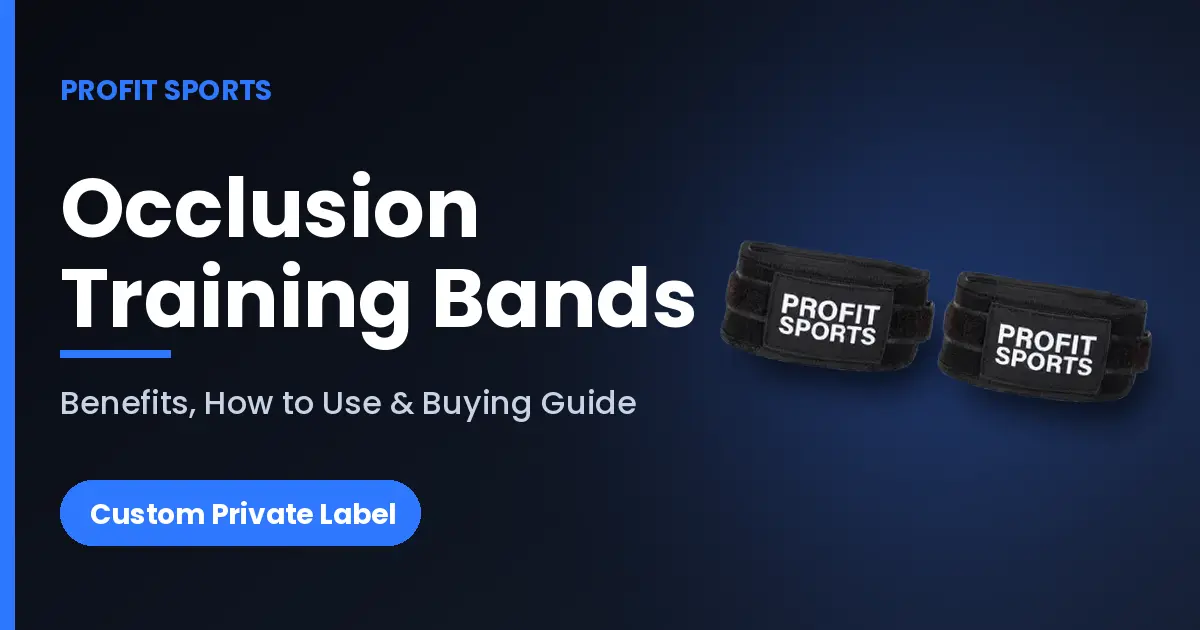
Blood Flow Restriction Bands: How to Use & Buying Guide
Blood Flow Restriction Bands are one of the fastest-growing products in the fitness world. They let people train with lighter weights while still challenging their muscles, which is why gyms, athletes and rehab-style programs are paying attention. In this guide, we explain what occlusion training bands are, how they work, what to look for before buying and what wholesale buyers should know.
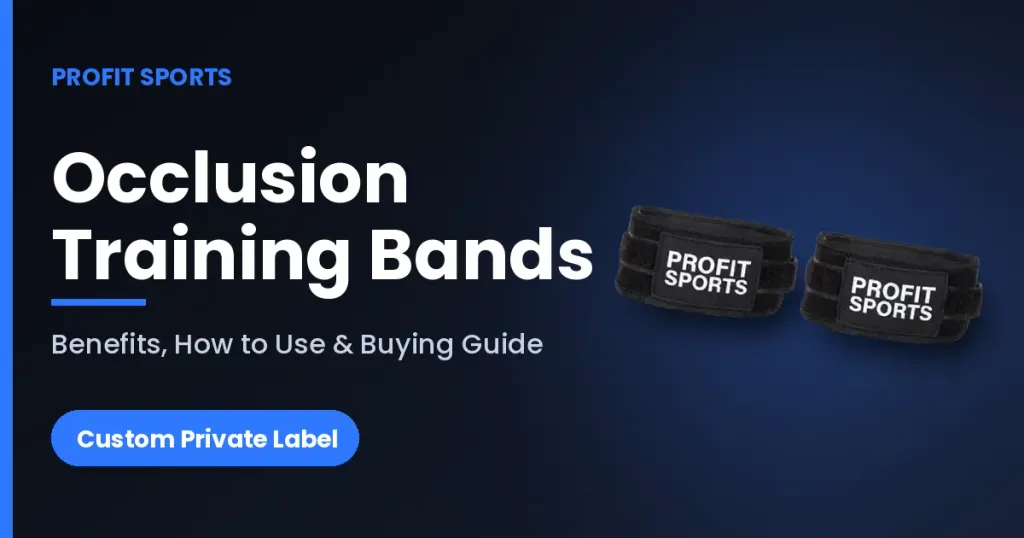
Occlusion Training Bands
Image alt text: Occlusion Training Bands
What Are Occlusion Training Bands?
Blood Flow Restriction Bands are adjustable straps worn around the upper arm or upper leg during exercise. They partly limit the blood flowing out of the working muscle. This method is called Blood Flow Restriction Bands (BFR) training, which is why you will also see them sold as BFR bands or blood flow restriction bands.
The idea is simple. You train with a much lighter load than usual, and the band changes how the muscle responds to the work.
How Does Blood Flow Restriction Training Work?
BFR training combines low-load exercise with a cuff or band that partly reduces blood flow during the set. Research reviews describe it as a way to build strength and muscle size without needing heavy weights. Researchers also point out that the exact mechanisms are still being studied, and that results depend on how the training is set up.
In practice, people use occlusion training bands for exercises like:
- Bicep curls and tricep extensions
- Leg extensions and leg curls
- Light squats and lunges
- Walking or light cardio sessions
Who Uses Occlusion Training Bands?
- Gym-goers who want variety on light training days
- Bodybuilders who add them to isolation exercises
- Athletes who want to reduce heavy joint loading between hard sessions
- People in rehab programs, usually under the guidance of a physiotherapist
Medical studies on BFR are mostly done in clinical settings. If you are recovering from an injury, always follow professional advice.
Are Occlusion Training Bands Safe?
Reviews of the research generally find that BFR training is promising when done correctly, but they also stress that long-term data is still limited. Safety depends on proper use and on who is using it. Known concerns include numbness, muscle soreness and raised heart rate when the band is too tight or used incorrectly. People with certain medical conditions, such as a history of blood clots, should avoid BFR training unless a doctor approves it.
A simple rule for every customer: never over-tighten the band, stop if you feel numbness or sharp pain, and speak to a doctor first if you have any heart, circulation or clotting condition.
What to Look for When Buying Occlusion Training Bands
Whether you are buying for personal use or for your brand, check these features:
- Padded inner layer: Soft neoprene or similar padding makes the band comfortable on the skin.
- Adjustable closure: Velcro lets users change the fit easily for arms and legs.
- Band width and length: Make sure the size suits both small arms and larger legs.
- Durable stitching: The band should handle repeated tightening without wearing out.
- Clear branding: A logo patch that stays put after many washes looks professional.
One thing to know: simple elastic or velcro bands cannot measure the exact pressure they apply. Medical-grade systems use pressure-measured cuffs. Be honest about this in your product descriptions and avoid promising clinical results.
Why Wholesale Buyers Choose Private Label Occlusion Training Bands
If you run a fitness brand or gym store, private label bands let you sell under your own name. At Profit Sports, you can:
- Add your brand name or logo to every band
- Choose your colours and design with our team
- Order multiple sizes to suit different customers
- Build a recognizable brand with a reliable, performance-focused product
Explore our full range of black occlusion training bands and see how we can customize them for your brand.
Frequently Asked Questions
What are occlusion training bands used for?
They are worn on the upper arms or legs during light workouts as part of blood flow restriction training.
Are occlusion training bands the same as BFR bands?
Yes. Occlusion training and blood flow restriction (BFR) training are two names for the same method.
How tight should Blood Flow Restriction Bands be?
They should feel snug but never painful or numb. If your fingers or toes tingle, loosen the band right away.
Can I order Blood Flow Restriction Bands with my own logo?
Yes. Profit Sports offers private label options, including your logo, design and sizes, for wholesale orders.
Final Thoughts
Blood Flow Restriction Bands give lifters a way to train with lighter weights while still working hard. They are not a magic solution, and safe, correct use matters. For fitness brands and wholesale buyers, they are a smart addition because demand keeps growing and customization helps you stand out.
Ready to launch your own line? Contact Profit Sports today for custom Blood Flow Restriction Bands with your logo.

Add comment