
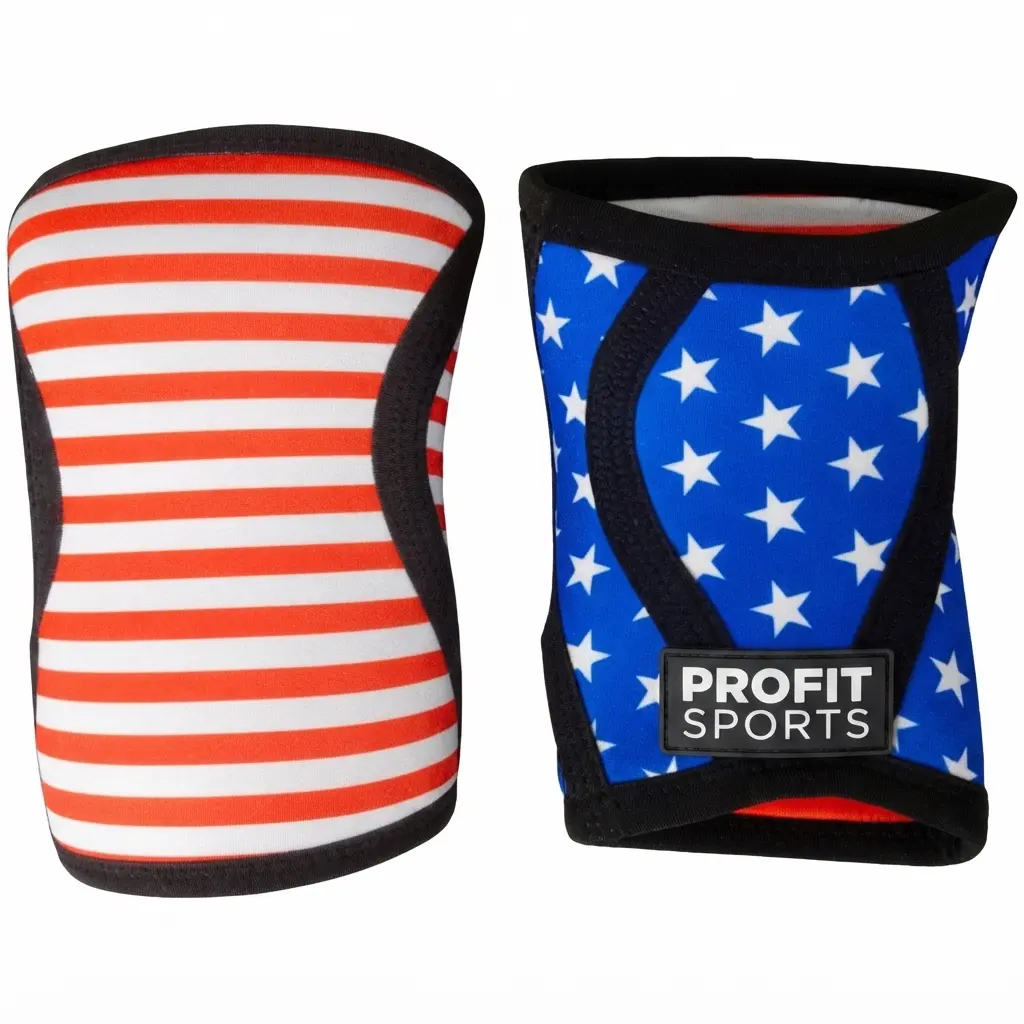
Best Elbow Sleeves for Weightlifting — Complete Guide 2026
If you’re looking for the best elbow sleeves for weightlifting, you’ve come to the right place. Elbow sleeves are essential support gear for anyone doing heavy pressing movements, curls, or overhead lifts. They provide compression, warmth, and stability to the elbow joint, helping reduce strain and discomfort during intense training sessions.
In this guide, we’ll cover why elbow sleeves matter, what makes the best elbow sleeves for weightlifting, common mistakes to avoid, and how to use them correctly.
Why the Best Elbow Sleeves for Weightlifting Matter
Elbow sleeves work by applying consistent compression around the joint, which improves blood flow, retains warmth, and provides added stability during pressing and pulling movements. This is especially useful during bench press, overhead press, and heavy curls, where elbow stress builds up quickly. Choosing the best elbow sleeves for weightlifting can help reduce joint discomfort and support better performance under heavy loads.
They’re especially popular for:
- Bench press and overhead press
- Heavy bicep and tricep work
- Push-ups and dips
- General elbow support during upper body training days
Benefits of Using Elbow Sleeves
Elbow sleeves aren’t just for lifters dealing with existing joint pain — many athletes use them proactively to protect their elbows during high-volume pressing sessions. The compression helps stabilize the joint and surrounding tendons, which can reduce the risk of strain from repetitive heavy lifting.
They also retain heat around the elbow, keeping the joint warm and potentially reducing stiffness, especially useful during colder months or early morning training sessions before your body is fully warmed up.
What Makes the Best Elbow Sleeves for Weightlifting
1. Compression Level
The best elbow sleeves for weightlifting offer firm, even compression without cutting off circulation. Too loose and they won’t provide meaningful support; too tight and they can restrict movement and blood flow.
2. Material and Thickness
Neoprene is the most common material because it retains heat well and provides durable, flexible support. Thickness affects both support level and mobility — thicker sleeves offer more joint protection but slightly less flexibility during full range-of-motion movements.
3. Fit and Sizing
A proper fit is critical for elbow sleeves. Sleeves that are too big will slide down during pressing movements, while sleeves that are too small can restrict blood flow and feel uncomfortable. Always check a sizing chart based on elbow circumference before buying.
4. Durability
Look for reinforced stitching and quality materials that can handle repeated stretching and heavy use without losing their shape or compression over time.
Common Mistakes to Avoid
A common mistake is wearing elbow sleeves that are too tight, assuming more compression automatically means more support. Excessive tightness can restrict blood flow and cause numbness during longer sets. Another mistake is relying solely on elbow sleeves instead of addressing underlying mobility issues or improving lifting form — sleeves support your joints, but they aren’t a substitute for a proper warm-up.
How to Use Elbow Sleeves Correctly
Roll the sleeve up your arm and position it directly over the elbow joint, making sure it sits snugly without bunching or twisting. Warm up with lighter weights before your heaviest sets, and move through a few reps of your first exercise to confirm the sleeves are positioned comfortably before adding significant load.
Who Should Use the Best Elbow Sleeves for Weightlifting
Elbow sleeves are great for lifters at any level — beginners looking for extra joint confidence during pressing movements, and advanced lifters who want added support during heavy training blocks. They’re also commonly used by athletes recovering from minor elbow strain or those simply looking to protect their joints during long-term training.
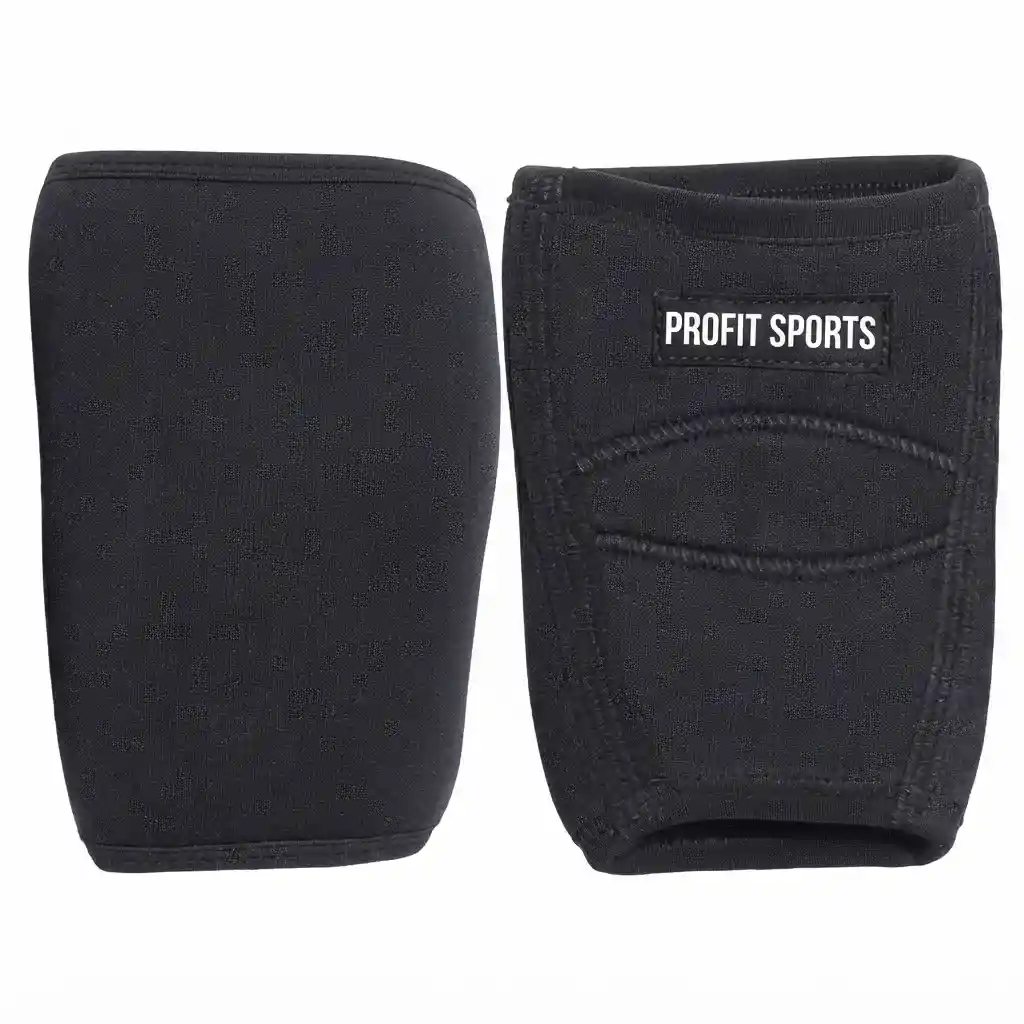
Frequently Asked Questions
Do elbow sleeves help with elbow pain?
They can provide compression and warmth that reduces mild discomfort, but persistent or sharp pain should be evaluated by a professional.
How tight should elbow sleeves be?
Snug enough to stay in place and provide compression, but not so tight that they cause numbness or restrict circulation.
Final Thoughts
Finding the best elbow sleeves for weightlifting can genuinely improve your training experience, giving your elbows the support and stability they need during heavy pressing and pulling sessions. Comfortable, durable, and effective, they’re a smart addition to any serious lifter’s gym bag.
Check out our Elbow Sleeves Collection to find the right pair for your training.


Add comment